QuanPu Industrial Park, Liangshan County, Shandong, China [email protected] +86 199 6378 9330
Get a quote
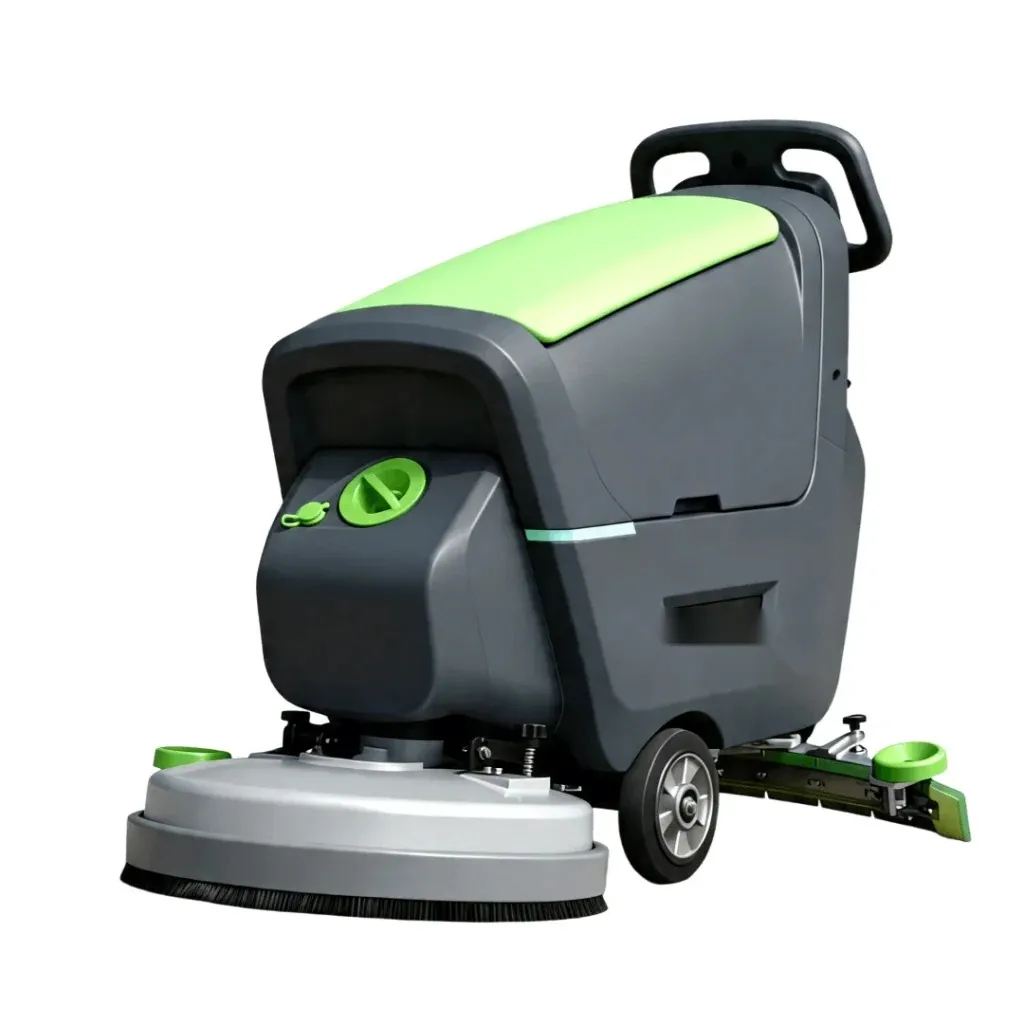
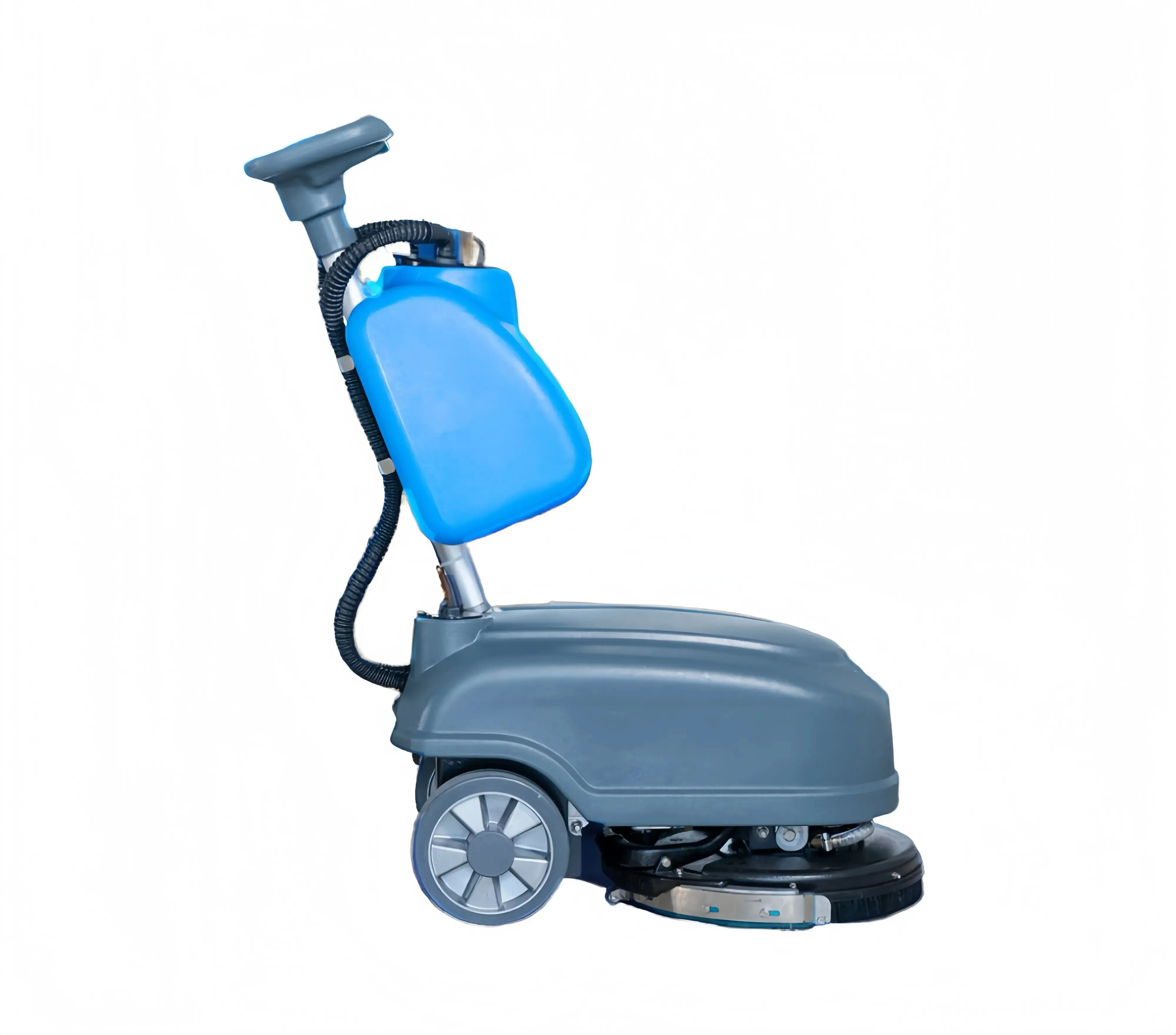
Grey and blue walk-behind floor scrubber, side view on plain background showing solution tank and drive wheel

Industrial Cleaning Equipment

Floor Scrubber Machine

Walk-behind and ride-on scrubbers sized to your aisles, your floor and your shift length.

Cleaning width
350 – 860+ mm
Drive
Walk-behind / Ride-on
Battery
Lead-acid or lithium
Efficiency
up to 6,800 m²/h

Floor scrubbers for warehouses, plants and retail floors

A scrubber dryer lays down solution, scrubs it in with a rotating brush disc and pulls it back up with a squeegee in one pass, so a facility crew cleans a floor instead of mopping it twice.

The line runs from a 350 mm walk-behind unit that fits through a standard doorway to an 860 mm-plus ride-on machine built for distribution centres and airport terminals. Solution and recovery tanks are always kept separate — clean water goes down, dirty water and debris come straight back up through the squeegee — so the floor is dry enough to walk on within a few metres of the machine.

Brush disc pressure is fixed at the factory to a working range of 30–35 kg, which is enough to lift ingrained dirt off epoxy and ceramic tile without polishing a shine into concrete that was never meant to have one. Facilities running mixed indoor and loading-dock areas often pair a floor scrubber with a ride on sweeper — the sweeper clears loose debris and grit before it ever reaches the scrubber's brush.

Every unit ships as an export build: battery type, charger voltage and brush disc size are set to your order before the machine is crated, and control panel labelling can be set to your local language.

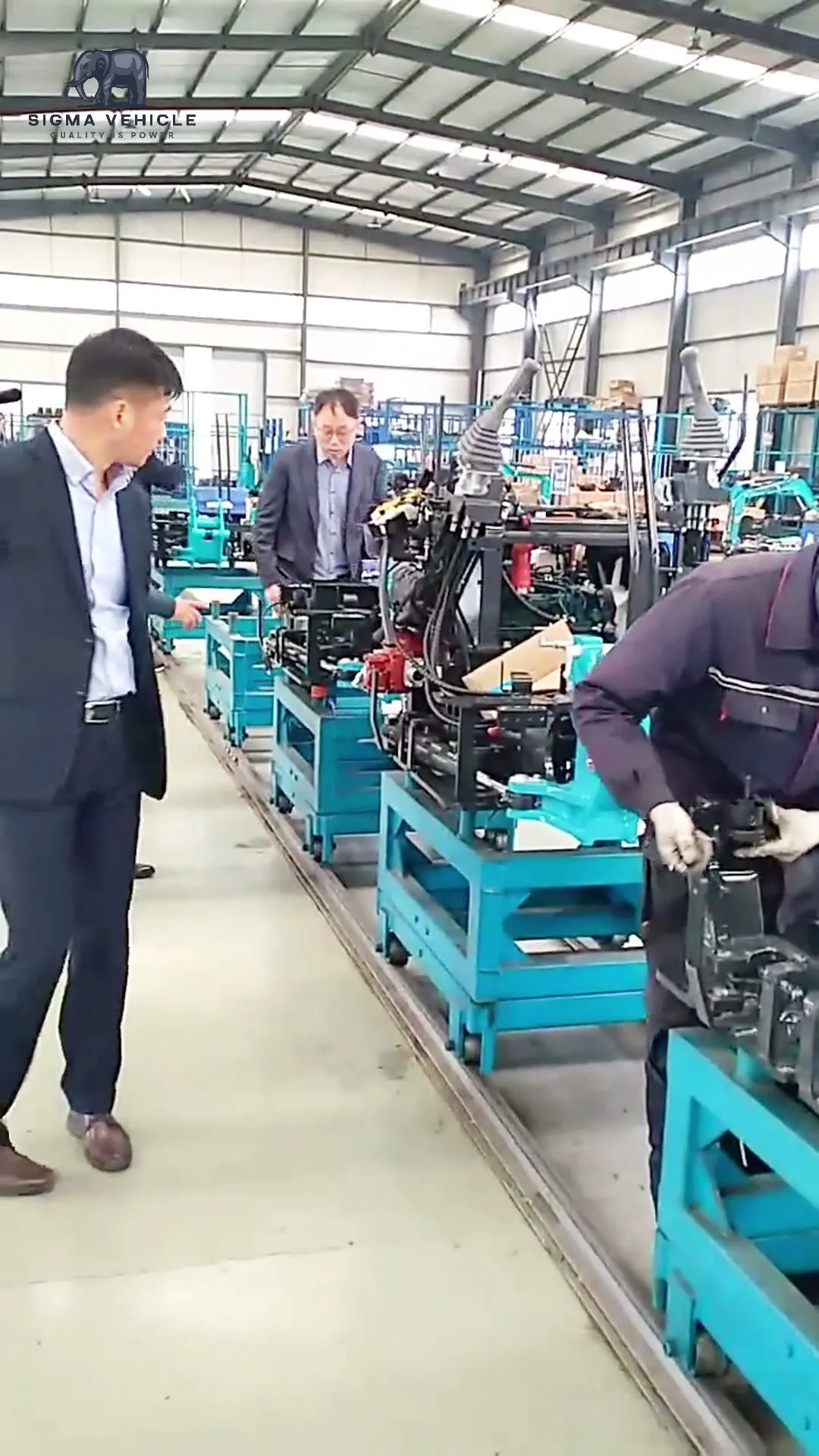
Every scrubber runs on our line with solution flowing, the brush turning and the squeegee lifting and dropping under power before it is crated. A squeegee that leaves a wet streak behind it is the fault this catches, and it is the one an operator notices on day one.
Specifications

Floor Scrubber Machine — technical data

Representative 430 mm walk-behind build shown below. Final specification is confirmed per order against cleaning width, tank size, battery type and destination.

Machine

Drive type Walk-behind (ride-on available from 560 mm)
Cleaning width 430 mm
Brush disc 16" (single disc)
Brush disc pressure 35 kg
Brush RPM 140–150 rpm

Power / Battery

Battery capacity 2×12V / 80Ah, lead-acid (lithium optional)
Battery autonomy 3.5 hours

Working

Solution / recovery tank 35 / 40 L
Cleaning efficiency 1,845 m²/h
Suited floor types Epoxy, ceramic tile, cement, marble

Cleaning width tiers

TierCleaning widthSolution / recovery tankCleaning efficiency
Walk-behind, compact350 mm10–16 L / 15–16 Lup to 1,600 m²/h
Walk-behind, mid-size430–530 mm35–65 L / 40–65 L1,845–2,200 m²/h
Ride-on, mid-size560–710 mm85–130 L / 90–135 L2,100–6,800 m²/h
Ride-on, large860 mm+170–235 L3,955 m²/h+

How to pick between these machines

Aisle width decides the machine

A 350 mm walk-behind unit turns inside a standard retail aisle or a 0.8 m warehouse gap; an 860 mm ride-on machine covers a distribution centre floor in a fraction of the passes. Ordering by aisle width and floor area first, then by brand, is what keeps a scrubber from sitting unused because it cannot turn where it needs to.

Solution and recovery water stay apart

Solution and recovery water never mix in the tank, so the machine is not scrubbing with water that already carries the dirt it just picked up. The squeegee bar lifts the recovery water back into the tank in the same pass, leaving the floor dry enough to reopen to foot traffic almost immediately.

Battery chosen by how many shifts it has to cover

A lead-acid pack is the standard, lower-cost option and suits a single shift with a charging window overnight. Lithium is available where the floor runs two or three shifts back to back and there is no time to park the machine for a full charge cycle.

Charger voltage and plug type set before crating

Charger voltage, plug type and control panel labelling are set to your market before the unit leaves the yard. We prepare the certificate of origin, commercial invoice and packing list for your customs broker and can quote FOB Qingdao or CIF to your port.

Floor scrubbers on the line

Walk-behind floor scrubber seen from the front, showing the round brush disc under the deck and the squeegee bar trailing behind

Where these machines work

  • Warehouse and distribution centre floors — a ride-on unit clears large open bays fast, usually run on a schedule between shifts rather than during active picking.
  • Manufacturing plants — walk-behind units handle workshop floors and tight machine aisles where oil and coolant residue build up between deep cleans.
  • Supermarkets and retail floors — a compact 350–430 mm walk-behind scrubber works around fixtures and checkout lanes without blocking the shop floor for long.
  • Parking structures and loading docks — larger ride-on machines are often run alongside a road sweeper truck on outdoor apron areas, with the scrubber taking the covered deck and the sweeper truck taking the open yard.
  • Food and beverage or pharmaceutical facilities — epoxy and sealed concrete floors need regular scrubbing to hold their certification, and a scrubber dryer is the standard way to do it without leaving standing water.

Frequently asked questions

Should I choose a walk-behind or a ride-on floor scrubber?

A walk-behind unit is the right choice under roughly 5,000 m² per shift, or wherever aisles are under about 1 metre wide — it is lighter, cheaper and turns in tighter spaces. Above that area, or on open warehouse and distribution floors, a ride-on machine covers more ground per hour and reduces operator fatigue on long runs.

How long does one battery charge last?

A standard lead-acid pack runs roughly 2 to 4 hours of continuous scrubbing depending on brush disc pressure and floor condition, which covers a single shift with an overnight charge. Larger ride-on machines with lithium batteries can run 4 to 6 hours, which suits facilities running back-to-back shifts.

What floor types can these scrubbers clean?

The standard brush and pad setup is built for epoxy, ceramic tile, sealed cement and marble floors. Softer or textured surfaces need a different pad grade, so tell us the floor finish when you enquire and we will confirm the right brush and pad combination.

What is the difference between lead-acid and lithium battery options?

Lead-acid is the standard, lower-cost battery and needs a full overnight charge once it is depleted. Lithium costs more up front but charges faster, holds capacity longer over years of use, and tolerates partial charging between shifts without the capacity loss that lead-acid suffers from repeated partial cycles.

How much floor area can one machine cover per hour?

A compact 350 mm walk-behind unit covers roughly 1,600 m² per hour. A mid-size 430–530 mm walk-behind reaches 1,800–2,200 m² per hour, and ride-on machines from 560 mm up to 860 mm-plus cover anywhere from 2,100 to over 6,800 m² per hour depending on cleaning width.

How is the machine shipped?

Scrubbers are crated and consolidated into a shared 40-foot container along with other equipment on your order, since a single unit does not fill a container on its own. We prepare the certificate of origin, commercial invoice and packing list, and quote either FOB or CIF to your port. Container loading is the same process used for machine orders leaving this yard, such as skid steer loaders delivered to Moscow.

Tell us the floor area and cleaning width you need

Send us your floor area, the narrowest aisle the machine has to turn in, and how many shifts it needs to run between charges. We come back with a configuration sheet and an FOB or CIF price, usually within 72 hours. Not sure if the floor needs a walk-behind or a ride-on unit? Describe the space and we will say which one fits.