QuanPu Industrial Park, Liangshan County, Shandong, China [email protected] +86 199 6378 9330
Get a quote
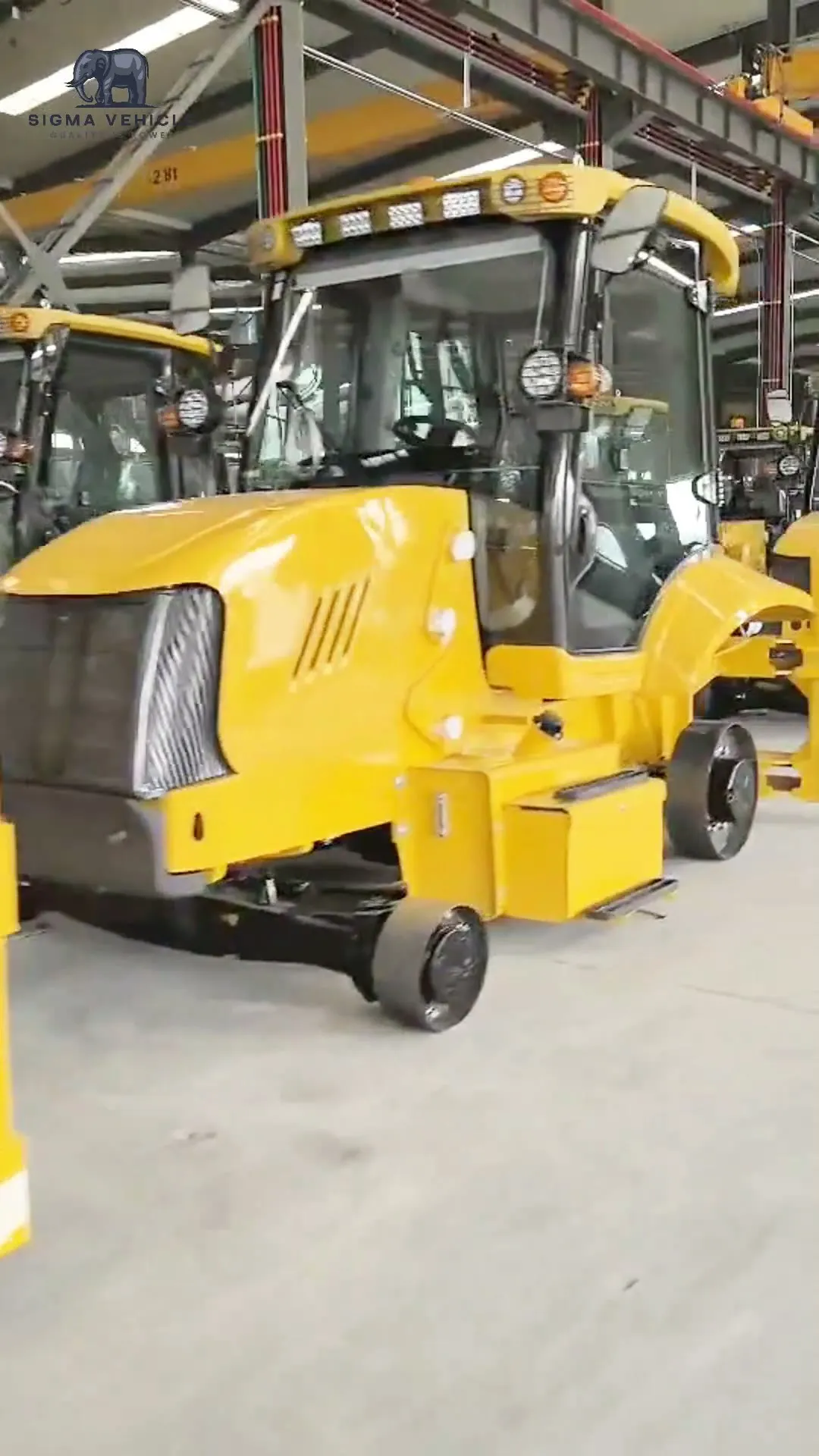
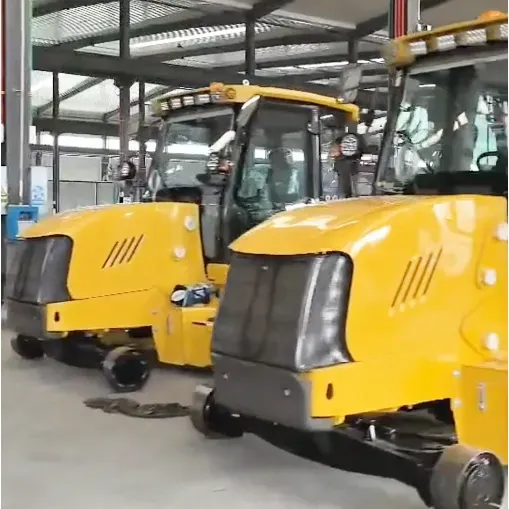
Two yellow ride-on industrial sweepers with enclosed cabs parked side by side inside a factory workshop

Industrial Cleaning Equipment

Ride-On Industrial Floor Sweeper

Dry sweeping for warehouse, plant and yard floors, in a cleaning width matched to your building.

Cleaning width
1,250 – 2,050 mm
Dustbin capacity
100 – 250 L
Gradeability
up to 25%
Efficiency
up to 20,000 m²/h

Ride-on industrial floor sweepers for factory, warehouse and yard floors

An industrial floor sweeper pulls loose dirt, dust and debris off a hard floor with a main brush and two side brushes, and drops it straight into an onboard dustbin — dry cleaning, with no water and no wait for the floor to dry.

The main brush sits under the centre of the machine and does the bulk of the sweeping; the two side brushes reach into corners and along wall lines and sweep debris in toward the main brush path. On the 1,330 mm build the side brushes are 390 mm each and the main brush is 700 mm wide, which is enough to clear a standard warehouse aisle in a single pass.

Dust suppression matters as much as the brush width: most builds carry a small water tank that damps the sweeping path so fine dust does not get thrown back into the air, alongside a filtration system that keeps the operator's cab clear. Facilities that also need wet cleaning on the same floor usually run a floor scrubber behind the sweeper — the sweeper clears loose debris first so the scrubber's brush disc is not just grinding grit into the surface.

Every unit ships as an export build: battery type, control layout and warning-light standard are set to your order before the machine is crated, and gradeability is rated up to 25% for sites with loading ramps.

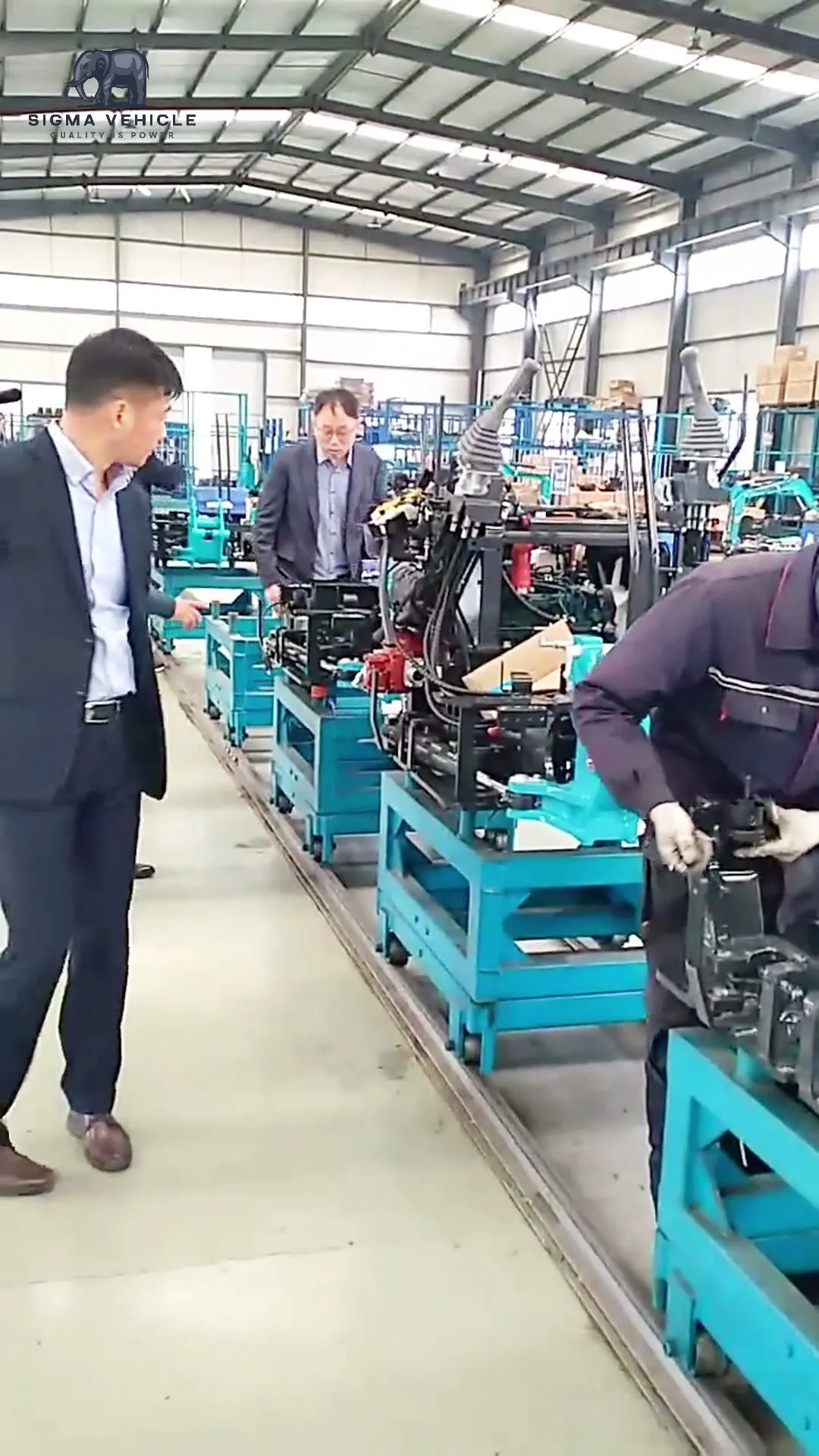
Every sweeper spends time on our line with the main brush, both side brushes and the dust suppression system running together before it is crated. Brush height that drifts once the machine is warm is the fault worth catching here, because it shows up as a strip of missed floor rather than as an obvious breakdown.

Specifications

Ride-On Industrial Floor Sweeper — technical data

Representative 1,330 mm ride-on build shown below. Final specification is confirmed per order against cleaning width, dustbin capacity, battery type and destination.

Machine

Drive type Ride-on
Cleaning width 1,330 mm
Side brush 2 × 390 mm
Main brush 700 mm
Max gradeability 18%

Power / Battery

Battery capacity 2×12V / 150Ah, lead-acid
Battery autonomy 4 hours

Working

Dustbin capacity 100 L
Dust-suppression water tank 30 L
Cleaning efficiency 7,315 m²/h

Cleaning width tiers

TierCleaning widthDustbin capacityCleaning efficiency
Ride-on, mid-size1,250–1,400 mm~100 L7,000–10,000 m²/h
Ride-on, mid-large1,330–1,950 mm100–160 L7,315–14,000 m²/h
Ride-on, large2,000–2,050 mm160–250 L19,000–20,000 m²/h

How the sweeping side of these machines works

Two brush stages, not one

Side brushes work corners and wall lines while the main brush handles the open floor, so a single pass clears more than a machine relying on the main brush alone. On the 1,330 mm build that means a full warehouse aisle in one run instead of doubling back to catch the edges.

Cleaning width follows the building

A 1,250 mm unit is enough for most parking lots and mid-size warehouses; a 2,050 mm machine is built for airport aprons, ports and large logistics parks where the floor area makes a narrower sweeper impractical. Buying wider than the building needs just adds turning radius you cannot use.

Water damping on the sweeping path

A small onboard water tank damps the sweeping path so fine dust settles into the bin instead of drifting back into the air, and the filtration system keeps the operator's cab clear on long runs. This matters most on dry concrete and asphalt, where dry sweeping alone throws up a visible dust cloud.

Charger and light-bar standard set to your market

Battery type, control layout and light-bar standard are set to your market before the unit leaves the yard. We prepare the certificate of origin, commercial invoice and packing list for your customs broker and can quote FOB Qingdao or CIF to your port.

Industrial sweepers on the floor

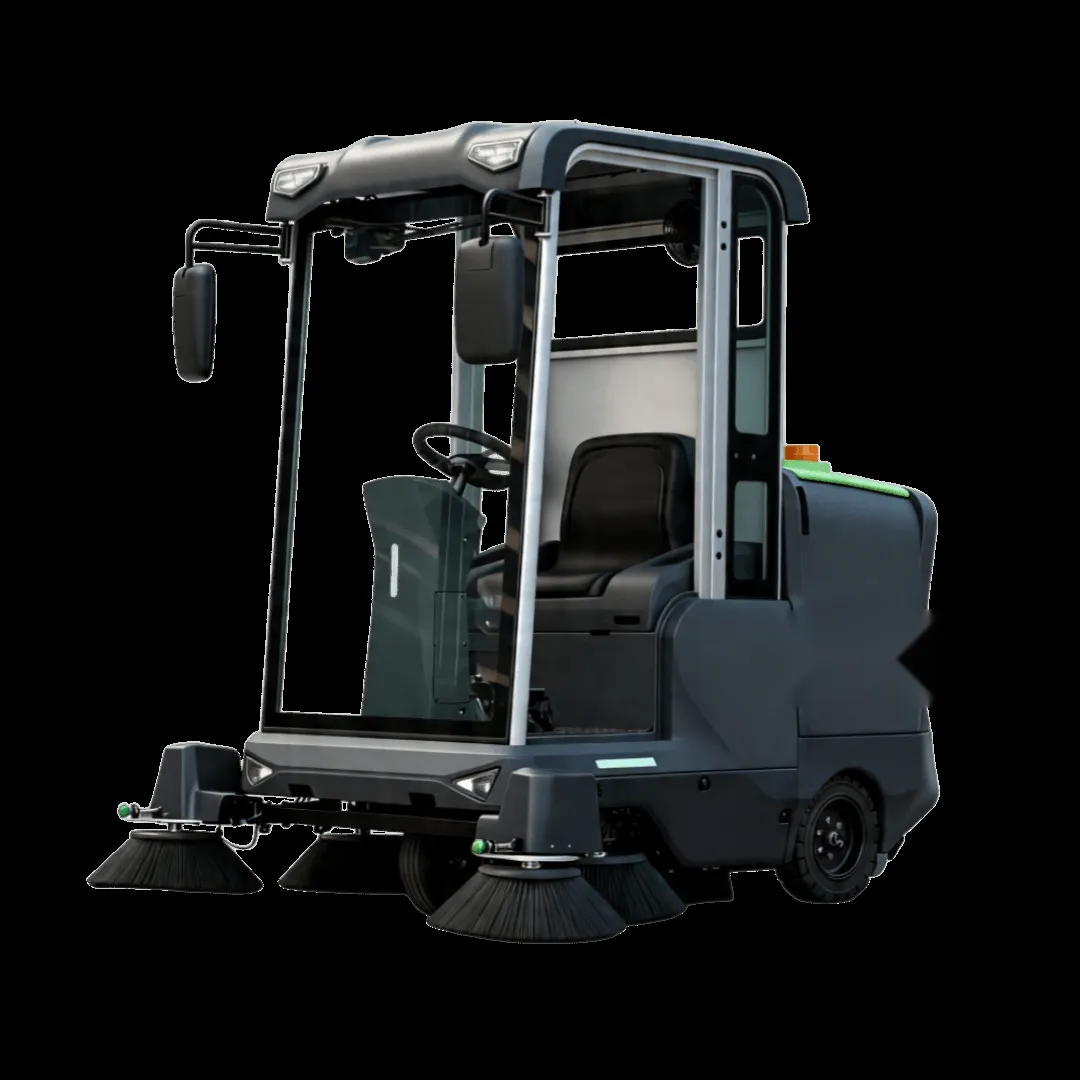
Ride-on industrial sweeper with an open-frame cab, three-quarter front view showing the two side brushes swung out ahead of the wheels

Where these machines work

  • Warehouse and logistics floors — clearing pallet debris, packaging fragments and dust along racking aisles ahead of forklift traffic.
  • Manufacturing plants — sweeping metal shavings, packaging waste and general shop-floor debris between production runs.
  • Parking lots and structures — a mid-size 1,250–1,400 mm unit covers surface lots and covered decks without the turning radius a road-going machine needs.
  • Ports, airports and large logistics parks — the 2,000 mm-plus tier is built for open-area sweeping where a road sweeper truck would normally be considered, but the site is private property rather than a public road.
  • Compact indoor spaces — smaller walk-behind push sweepers cover storerooms, loading bays and tight corners a ride-on machine cannot reach.

Frequently asked questions

What cleaning width should I choose?

A 1,250–1,400 mm machine suits most parking lots and mid-size warehouses. A 1,330–1,950 mm machine covers larger logistics floors in fewer passes, and a 2,000 mm-plus machine is sized for airport aprons, ports and large distribution parks where the floor area makes a narrower sweeper inefficient.

How much debris does the dustbin hold before it needs emptying?

Dustbin capacity runs from around 100 L on mid-size machines up to 250 L on the largest ride-on units. On a typical warehouse or plant floor with moderate debris, a 100–160 L bin usually covers a full shift before it needs emptying.

Does the sweeper need water, like a scrubber does?

Only a small amount. Most ride-on sweepers carry a dust-suppression tank of around 30 litres that dampens the sweeping path so fine dust settles rather than becoming airborne — this is separate from wet floor scrubbing, which uses far larger solution and recovery tanks.

Can this machine handle ramps and loading dock grades?

Standard builds are rated for gradeability between 15% and 25%, which covers most warehouse loading ramps and dock approaches. Tell us the steepest grade on your site when you enquire so we can confirm the right tier handles it.

What is the difference between a ride-on sweeper and a road sweeper truck?

A ride-on industrial sweeper is built for private property — warehouse floors, yards, parking lots and covered decks — and does not need road registration or lights rated for public traffic. A road sweeper truck is a full chassis-mounted vehicle built to legally sweep public roads at traffic speed, which is a different regulatory and cost category entirely.

How is the machine shipped?

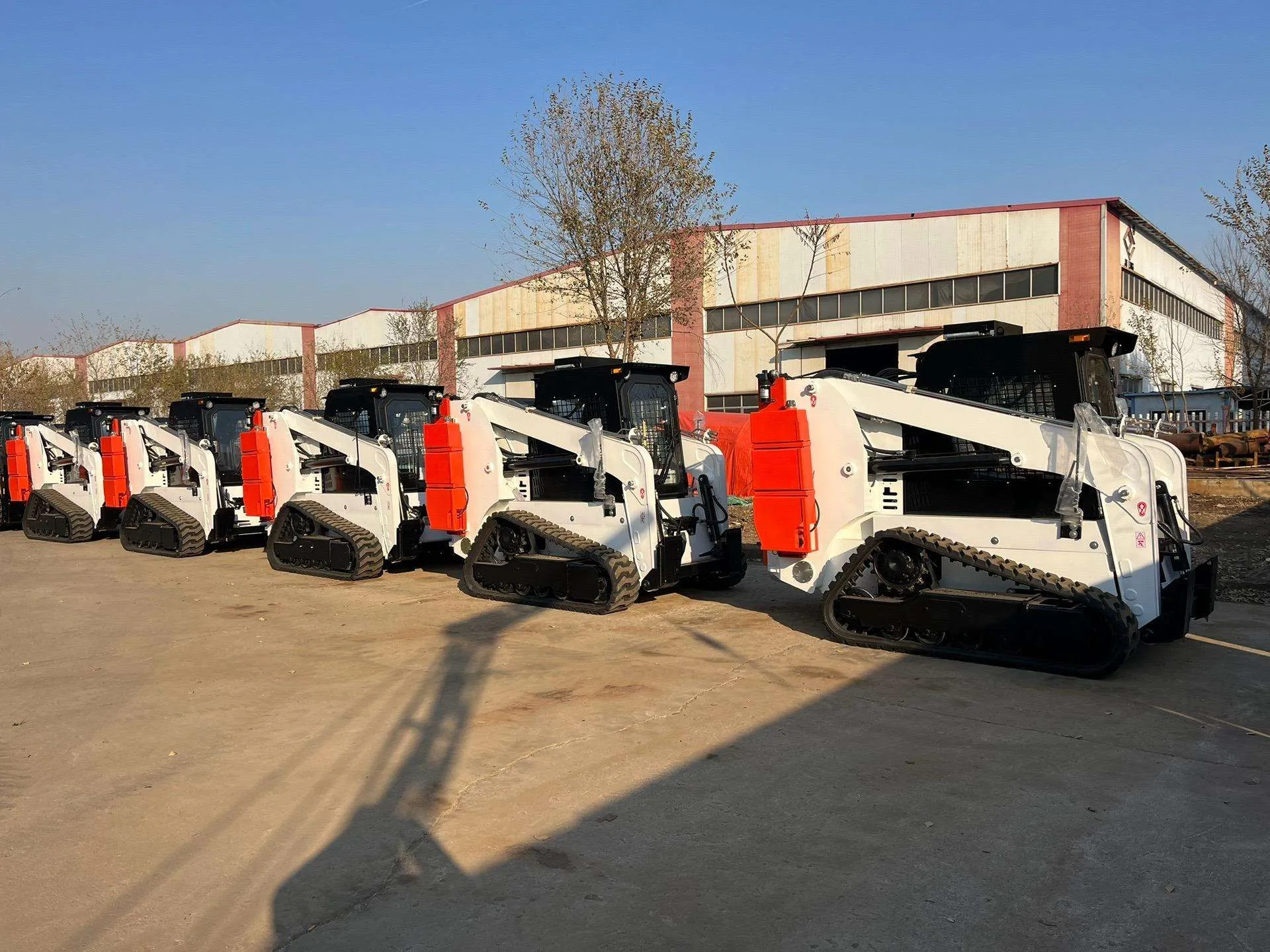
Sweepers are crated and consolidated into a shared 40-foot container along with other equipment on your order, since a single unit does not fill a container on its own. We prepare the certificate of origin, commercial invoice and packing list, and quote either FOB or CIF to your port. Machines ship from the same yard that sent skid steer loaders to Moscow; buyers are welcome to inspect first, as a delegation from Korea did before agreeing terms.

Tell us the floor area and cleaning width you need

Send us your floor area, the widest debris you need to sweep, and whether the site has ramps or grades. We come back with a configuration sheet and an FOB or CIF price, usually within 72 hours. Not sure whether the job needs an industrial sweeper or a road sweeper truck? Describe the site and we will say which one fits.