QuanPu Industrial Park, Liangshan County, Shandong, China [email protected] +86 199 6378 9330
Get a quote
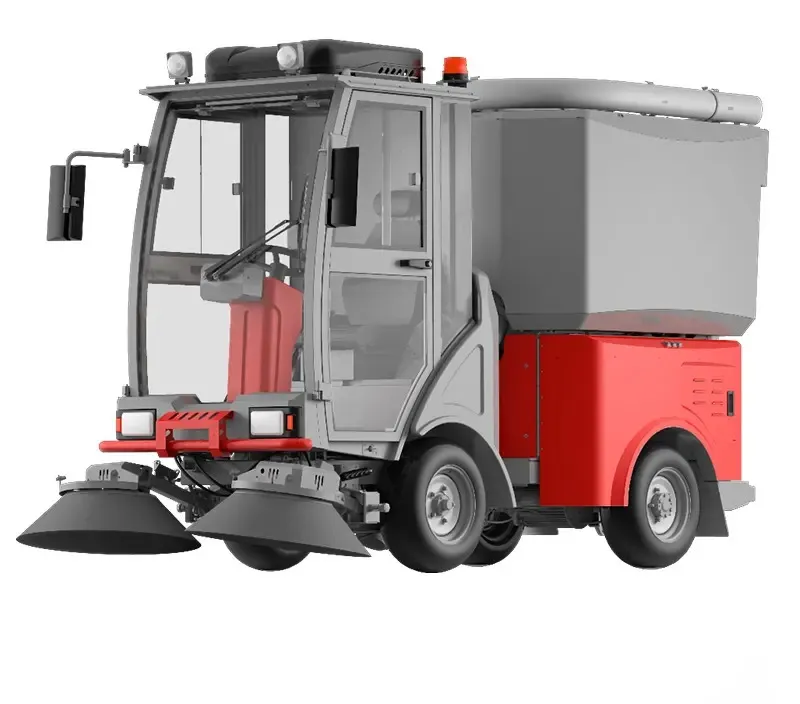
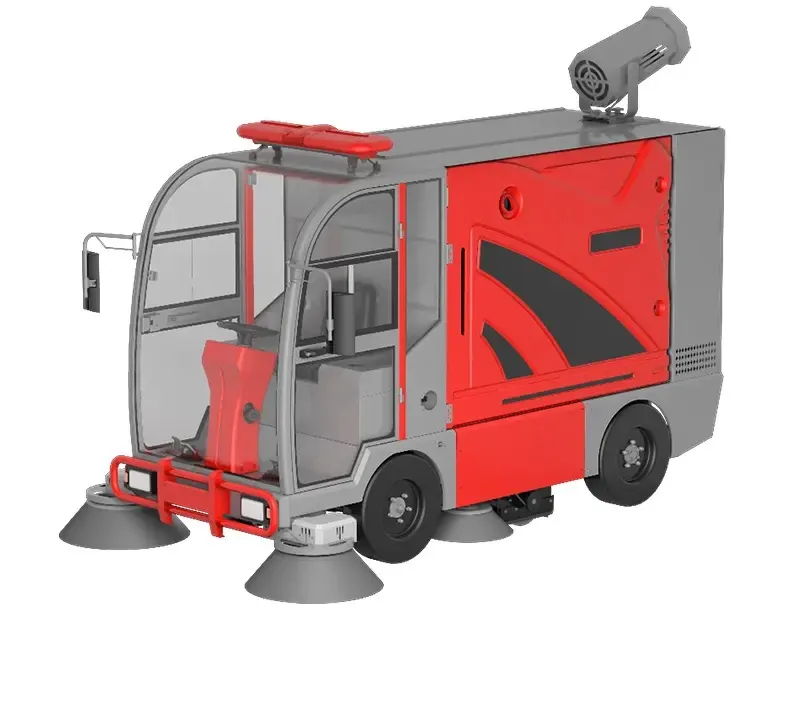
Compact ride-on mini road sweeper, front view with cab, light bar and dual sweeping discs

Municipal Sanitation Vehicle

Road Sweeper Truck

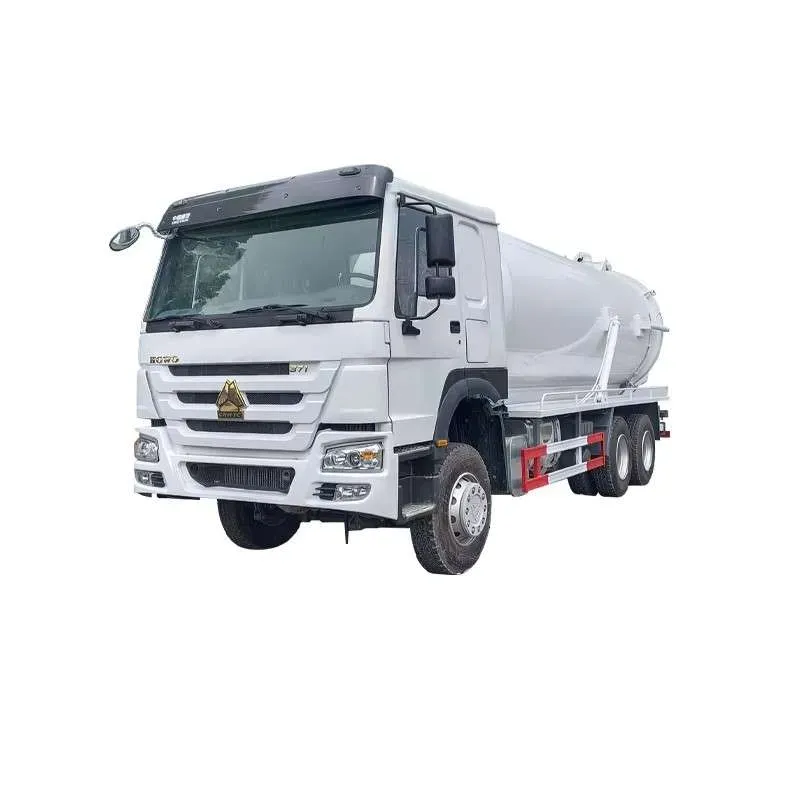
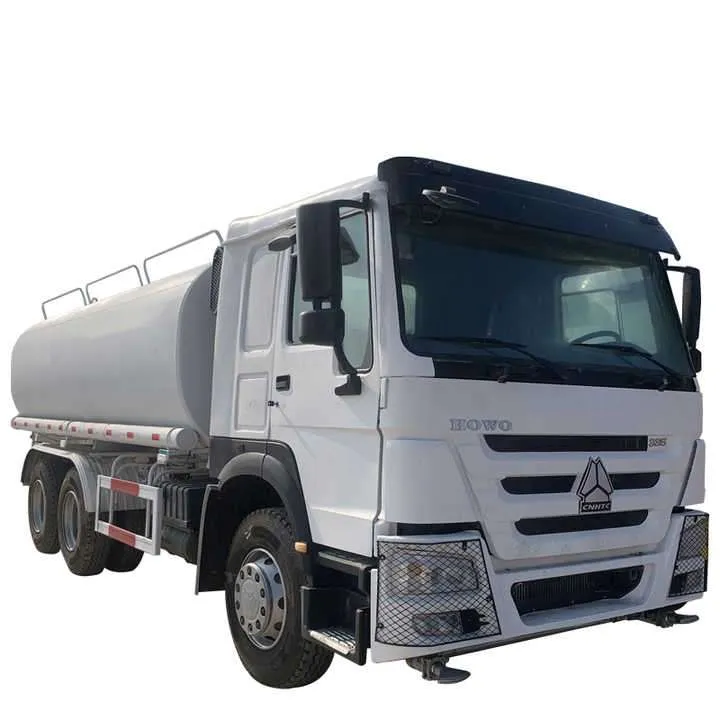
Truck-mounted street sweepers from 6 to 16 m³, with the hopper-to-water split set by the route you sweep.

Combined tank
6 – 16 m³
Cleaning width
3 – 3.5 m
Sweeping efficiency
≥95 %
Chassis
ISUZU / Dongfeng / FAW / HOWO

Road sweeper trucks for street, highway and parking-lot cleaning

A truck-mounted street sweeper that lifts dust, litter and loose debris off the road surface in one pass, combining a garbage hopper, a water tank and twin sweeping discs on a chassis sized to the route.

The tank on a road sweeper truck is really two tanks in one body: a garbage hopper that holds the swept debris and a clean-water tank that feeds the spray nozzles. Builds run from a 6 m³ combined capacity on a light ISUZU or JMC chassis, useful where narrow streets rule out anything bigger, up to 16 m³ on a Dongfeng or FAW chassis for arterial roads and long shifts between hopper dumps. Twin sweeping discs mounted ahead of the front wheels throw debris toward the centre pickup, and cleaning width runs 3 to 3.5 m depending on how the discs are set.

Dust control comes from a centrifugal blower pulling debris through the sweeping discs into the hopper, backed by a water spray system that wets the surface ahead of the brushes so fine dust does not lift into the air. Rated sweeping efficiency on this design is 95 % or better, and the water pump alone moves well over 100 L per minute. A municipal fleet running this street sweeper truck alongside a water tank truck usually splits the shift: the sweeper lifts loose material first, the water tanker washes down what is left.

Every unit leaves the yard as an export build: left- or right-hand drive, Euro 2 through Euro 6 engines, and the hopper tipping angle, brush type and control layout set to match local road surface and driving side before crating.

Every sweeper runs a full sweep cycle on our test yard before it is crated, with the blower, water pump and disc drive all pulling at once. Suction that falls off when the water system is also running is the fault this catches, and it is the one that is hardest to diagnose once the truck is on site.

Specifications

Road Sweeper Truck — technical data

Representative 16 m³ build shown below (7 m³ garbage tank + 9 m³ water tank). Final specification is confirmed per order against your chassis brand, emission standard, drive side and destination port.

Chassis

Chassis model Dongfeng DFH1180
Drive type 4×2
Cabin Forward, 1 driver + 2 passengers
Wheelbase 4,500 mm
Overall dimensions (L×W×H) 9,350 × 2,480 × 3,160 mm
Tyres 10.00R20 (6 + 1 spare)
Gross vehicle weight (GVW) 18,000 kg
Curb weight 11,000 kg
Front / rear axle rating 4.5 t / 9 t × 2

Engine & driveline

Engine model B6.2NS6B230
Displacement 6.2 L
Rated power 170 kW (230 hp)
Emission standard Euro 2 (Euro 3 / 4 / 5 / 6 optional)
Transmission 8JS95E-C, 7 forward + 1 reverse
Fuel tank 260 L

Sweeping system

Garbage tank capacity 7 m³
Water tank capacity 9 m³
Combined capacity 16 m³
Maximum cleaning width 3 m
Sweeping speed range 3–20 km/h
Sweeping efficiency ≥ 95 %
Water pump flow 115 L/min

Capacity options

Combined capacityDriveTypical chassisCleaning width
6 m³ (4 m³ garbage + 1.5 m³ water)4×2ISUZU, 98 hp3.2 m
14–16 m³ (7 m³ garbage + 9 m³ water)4×2Dongfeng / FAW / HOWO, 165–230 hp3–3.5 m
6 m³ electric (3 m³ garbage + 3,000 L water)4×2Dongfeng EV chassis, 229 kWh battery3 m

How these sweepers get specified

Hopper and water tank split to suit the route

A 6 m³ build on a light chassis suits residential streets and parking lots where turning radius matters more than hopper size. Above that, 14–16 m³ builds on Dongfeng, FAW or HOWO chassis carry a full shift of debris on arterial roads without a mid-route dump. Buying more tank than the route needs just adds curb weight the chassis has to carry empty.

Sweeping discs matched to the surface

Disc count and cleaning width are set for the job: 2 discs and a 3 m width cover a standard lane, 4 discs and 3.5 m suit wider carriageways and gutters with heavier debris. Rated sweeping efficiency is 95 % or better, tested at working speed rather than a crawl.

Brushes and blower are consumables you can restock locally

Chassis are ISUZU, Dongfeng, FAW or HOWO — brands with parts counters in most of the markets we ship to. The blower, water pump and disc drive are standard components, so a road sweeper truck stays on its route instead of waiting for a container of spares.

Brush type set to your road surface, not ours

Left- or right-hand drive, Euro 2 to Euro 6, hopper tipping angle and control-box labelling set to your standard. We prepare the CO, invoice and packing list for your customs broker and can quote FOB Qingdao or CIF to your port.

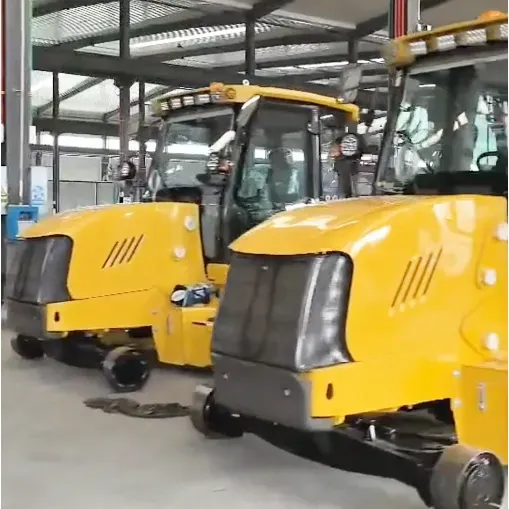
Road sweeper trucks in the yard

Compact mini road sweeper, rear three-quarter view showing the overhead dust extraction pipe and hopper body

Where these trucks work

  • City street and boulevard cleaning — the 14–16 m³ street sweeper truck is the size most municipal contracts specify, built to run a full morning route between hopper dumps.
  • Parking lots and shopping centres — a mini road sweeper on the 6 m³ chassis turns tighter and fits the low clearances that a full-size street sweeper cannot reach.
  • Highway shoulders and medians — wider 3.5 m cleaning width and higher sweeping speed cover long straight stretches with fewer passes.
  • Construction sites and industrial yards — clearing loose aggregate and mud track-out before it reaches public roads, often paired with a garbage truck to haul away what the sweeper collects.
  • Airport perimeter and service roads — clearing loose debris from apron edges and access roads, where the same chassis and sweeping system used on public roads does the work.

Frequently asked questions

What tank sizes are available on a road sweeper truck?

Combined garbage and water tank capacity runs from 6 m³ on a light chassis to 16 m³ on a Dongfeng or FAW chassis. The 6 m³ build (roughly 4 m³ garbage plus 1.5 m³ water) suits parking lots and narrow streets, while 14–16 m³ builds (7 m³ garbage plus 9 m³ water) suit arterial roads and full-shift municipal routes.

How wide is the cleaning path?

Standard builds clean a 3 m path with two sweeping discs; wider 3.5 m builds with four discs are available for carriageways and gutters with heavier debris. Sweeping efficiency at working speed is rated at 95 % or better on both configurations.

Is there a small or mini road sweeper for parking lots?

Yes. The 6 m³ build on an ISUZU or similar light chassis is sized for parking lots and shopping centres, with a tighter turning radius than the full-size arterial street sweeper truck. It carries less debris between dumps, which suits shorter routes.

What is the difference between a road sweeper truck and an industrial floor sweeper machine?

A road sweeper truck is a highway-legal vehicle that cleans outdoor roads, car parks and yards at driving speed. A ride-on floor sweeper is a smaller, non-road-legal machine built to clean warehouse and factory floors indoors. The two are not interchangeable: a floor sweeper has no chassis rated for public roads, and a road sweeper is too wide for most warehouse aisles.

Which chassis brands can the sweeper body be mounted on?

ISUZU, Dongfeng, FAW and HOWO are all in regular production, and the choice usually comes down to which brand has a parts counter near your depot. An electric build on a Dongfeng EV chassis is also available for routes with a fixed daily distance and depot charging.

How is the truck shipped?

Trucks in this size range ship by roll-on/roll-off from Qingdao or Shanghai; smaller units can be loaded in a 40-foot flat rack where RoRo service to the destination is thin. We prepare the certificate of origin, commercial invoice and packing list, and quote either FOB or CIF to your port. The same route carried a 22-unit order to Douala; smaller consignments have also gone out as deck cargo, as in a two-unit shipment to Tanzania.

Tell us the cleaning width and the chassis you prefer

Send the route type, the combined tank size you need and your destination port. We come back with a configuration sheet and an FOB or CIF price, usually within 72 hours. If the job is a parking lot rather than a full street route, tell us the space and we will say which chassis size fits.