QuanPu Industrial Park, Liangshan County, Shandong, China [email protected] +86 199 6378 9330
Get a quote
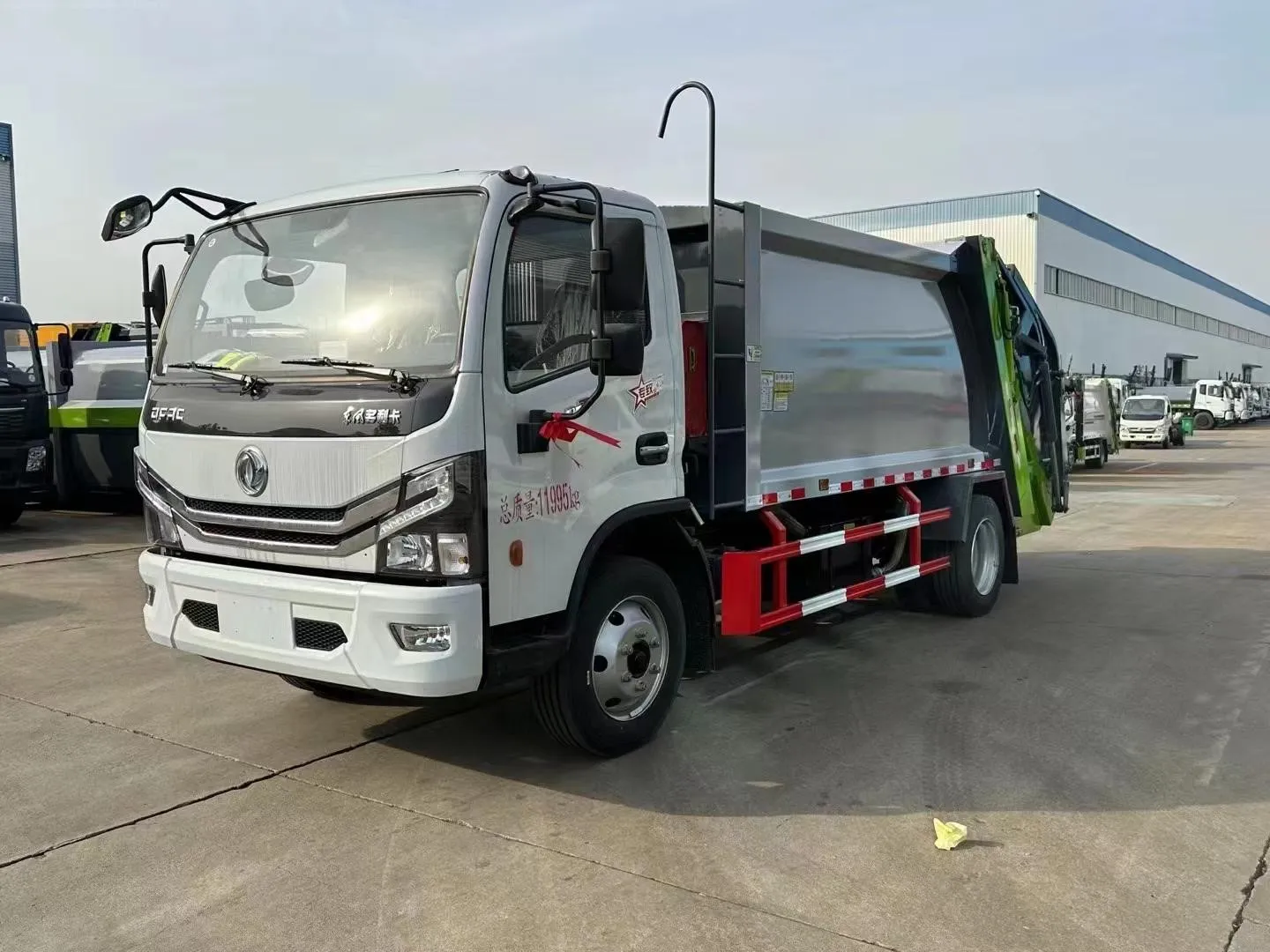
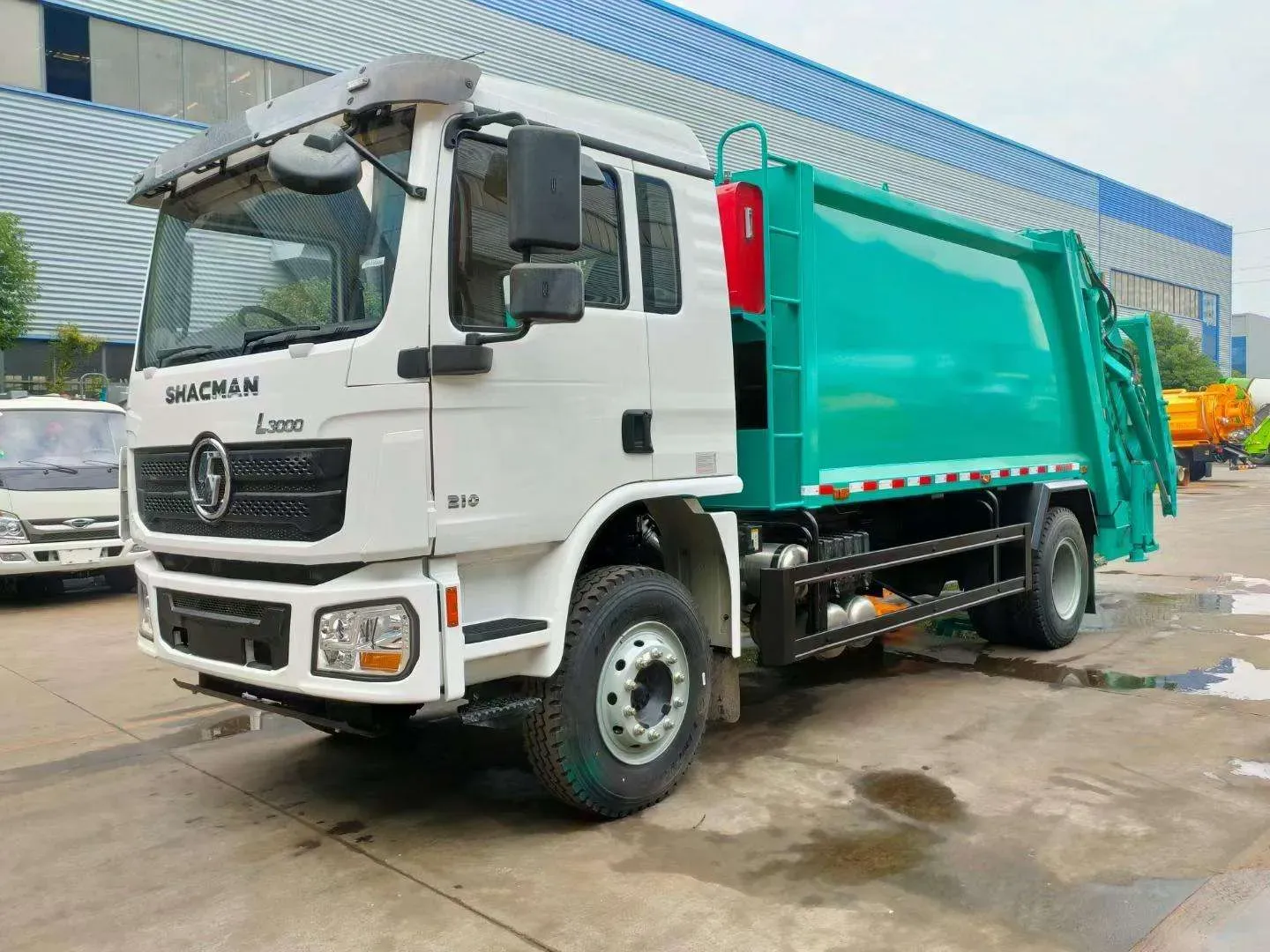
White Shacman rear-loader garbage compactor truck, front three-quarter view in the factory yard

Municipal Waste Collection Vehicle

Garbage Compactor Truck

Rear-loader compactor bodies from 4 to 20 m³, welded from high-strength steel and sized to the round you actually run.

Body volume
4 – 20 m³
Drive
4×2 / 6×4
Compaction ratio
up to 1:2.5
Body material
Q235 / Q345 steel, 4–5 mm

Rear-loader garbage compactor trucks for municipal and commercial waste collection

A waste disposal truck that collects, crushes and hauls household and commercial refuse, mounted on a chassis your drivers and workshop already know how to service.

The refuse body is welded from T700L or Q235 high-strength steel, 4–5 mm on the sides and floor, and rated for a compaction density of 0.6–0.8 t/m³ — up to a 1:2.5 ratio against loose waste. On the 18 m³ build the body sits on a 6×4 chassis with a 4,600+1,350 mm wheelbase and a 25-tonne gross vehicle weight, which is the size most city contracts specify once a route grows past a handful of residential streets.

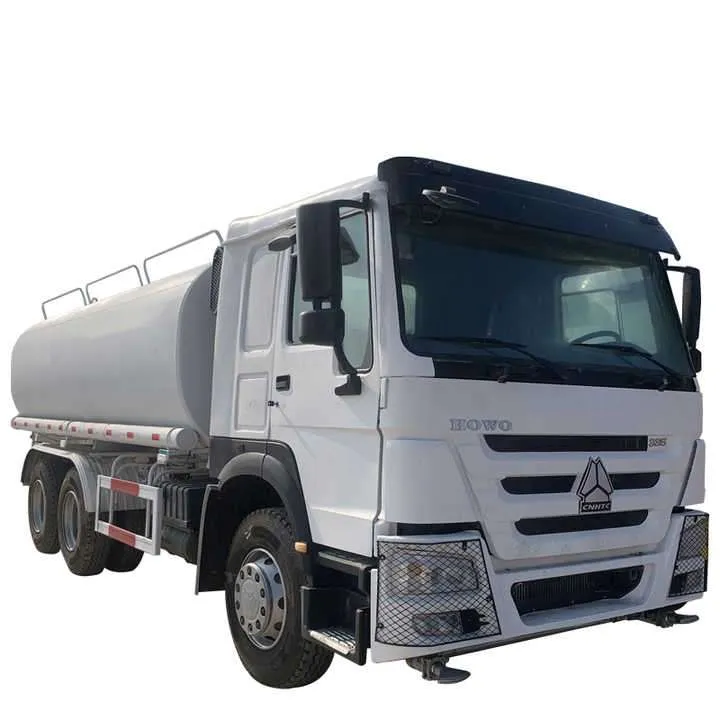
Loading is a rear hopper with a flip-over mechanism: bins tip into the hopper, a hydraulic packer plate sweeps the load into the body, and the cycle repeats in 15 to 30 seconds. The same double-side control box lets an operator run the packer from ground level without climbing onto the truck, and a PLC one-key mode is available alongside the manual levers for crews who rotate between vehicles. A garbage truck crew often works the same round as a water tank truck doing dust suppression once the bins are cleared.

Every unit is built as an export order: left- or right-hand drive, Euro 3 through Euro 6 engines, and the hopper, tailgate seals and control-box labelling matched to your standard before it leaves the yard.

No body leaves the line until it has run a full loading and packing sequence with the packer plate, tailgate lock and hydraulic pressure all under load. A cylinder that creeps or a tailgate that seats badly shows up here, which is the point of doing it before the truck is crated rather than after it lands.

Specifications

Garbage Compactor Truck — technical data

Representative 18,000 L (18 m³) build shown below, on a HOWO 6×4 chassis. Final specification is confirmed per order against your chassis brand, emission standard, drive side and destination port.

Chassis

Drive type 6×4 (4×2 on 4–16 m³ builds)
Cabin Forward tilting, 3 passengers, air conditioning
Wheelbase 4,600 + 1,350 mm
Overall dimensions (L×W×H) 10,290 × 2,550 × 3,200 mm
Gross vehicle weight 25,000 kg
Curb weight 16,200 kg
Rated payload 8,770 kg
Tyres 12R22.5, 18PR
Maximum speed 95 km/h

Engine & driveline

Engine 6-cylinder in-line, water-cooled, turbocharged diesel
Engine model WP10.380E32
Displacement 9.726 L
Rated power 280 kW (380 hp)
Emission standard Euro 3 (Euro 4 / 5 / 6 optional)
Transmission HW19712, 12 forward + 2 reverse, manual
Front / rear axle rating 7 t / 18 t

Refuse body & compaction

Body volume 18,000 L (18 m³)
Body material T700L steel, sides 5 mm / floor 5 mm
Loading method Rear hopper, flip-over bin lift
Unloading method Rear tailgate lift, pushing-plate discharge
Compacted density 0.6 – 0.8 t/m³ (up to 1:2.5 ratio)
Control method Double-side control box + manual levers, PLC one-key optional
Cycling time 15 – 30 seconds
Sewage tank One unit, fitted as standard

Body volume options

Body volumeDriveTypical chassisLoading system
4 m³4×2Dongfeng light-duty, 95–120 hpRear loader, 1:2.5 compaction
8 m³4×2JMC, 152 hpRear loader, 1:2.5 compaction
16 m³4×2Dongfeng, 200 hpRear loader, 0.6–0.8 t/m³ density
18 m³6×4HOWO, 380 hpRear loader, 0.6–0.8 t/m³ density
20 m³6×4Dongfeng, 210 hpRear loader, optional bucket-lift hopper

How these compactor bodies are built

Compaction figures that hold up on a real round

A 0.6–0.8 t/m³ compaction density and up to a 1:2.5 ratio mean a full body actually holds a full load of loose household waste, not an inflated brochure figure. Smaller 4–8 m³ garbage compactor trucks on JMC or light Dongfeng chassis work narrow residential lanes; 16–20 m³ builds on a 6×4 chassis carry a full municipal round without a mid-shift trip to the transfer station.

Parts your depot can already buy

Chassis are JMC, Dongfeng, HOWO or Shacman — brands with parts counters in most of the markets we ship to. The hydraulic pump, packer cylinders and control valves are standard components, so a rubbish lorry stays on its route instead of waiting on a container of spares.

A packing cycle the crew is not waiting on

The hopper flip-over and packer plate complete a loading cycle in 15 to 30 seconds, so a crew working a dense residential street is not standing at the kerb waiting on the truck. The tailgate is full-diameter and hydraulically locked, and the double-side control box means the operator never has to climb onto the body to run it.

Bin fittings matched to the bins you actually collect

Left- or right-hand drive, Euro 3 to Euro 6, local hopper and bin-lift fittings, control-box labelling in your language. We prepare the CO, invoice and packing list for your customs broker and can quote FOB Qingdao or CIF to your port.

Garbage compactor trucks in the yard

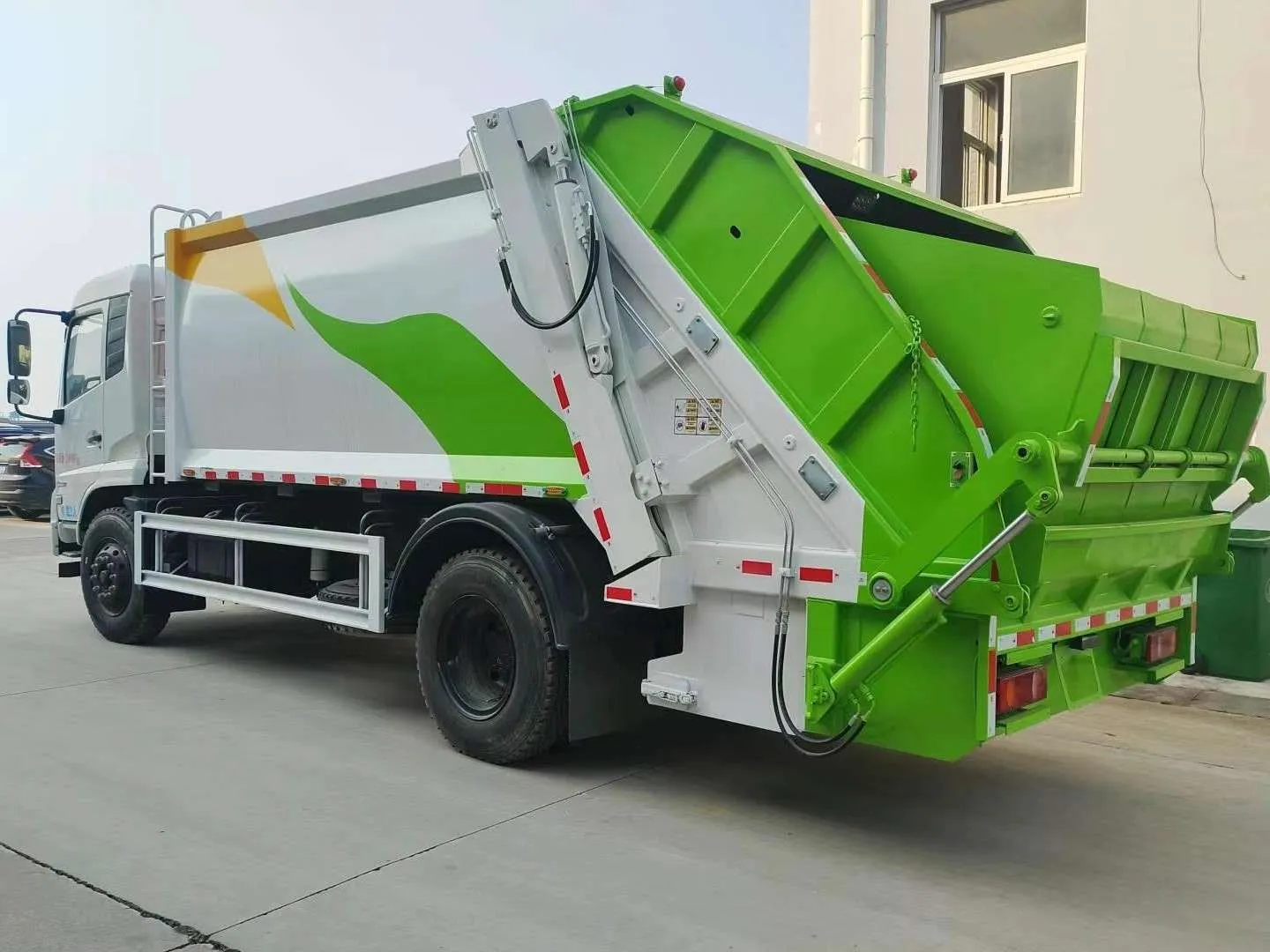
Dongfeng chassis rear-loader garbage truck, front three-quarter view showing the compactor body
Rear-loader garbage compactor truck with the tailgate raised for discharge, showing the packer plate and hydraulic rams
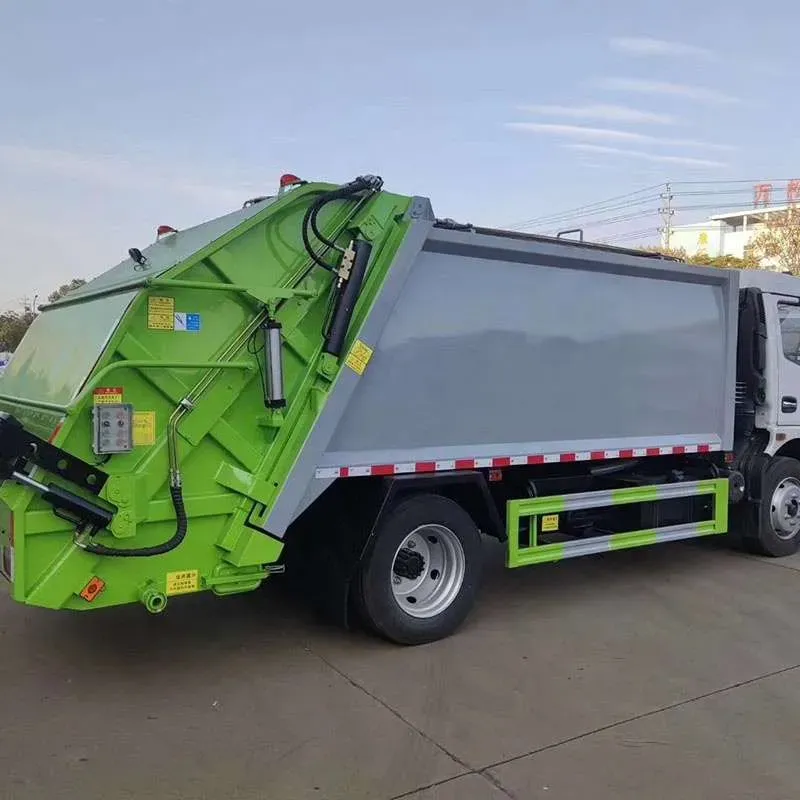
Side profile of a rear-loader garbage compactor truck with green compaction body and grey refuse bin

Where these trucks work

  • Household waste collection on residential routes — the 4–8 m³ garbage truck on a JMC or light Dongfeng chassis is sized for narrow lanes and legal on a standard driver's licence in most markets.
  • Municipal collection contracts and transfer-station runs — 16–20 m³ garbage collection truck builds on a 6×4 chassis replace several smaller dustbin trucks worth of capacity in a single load.
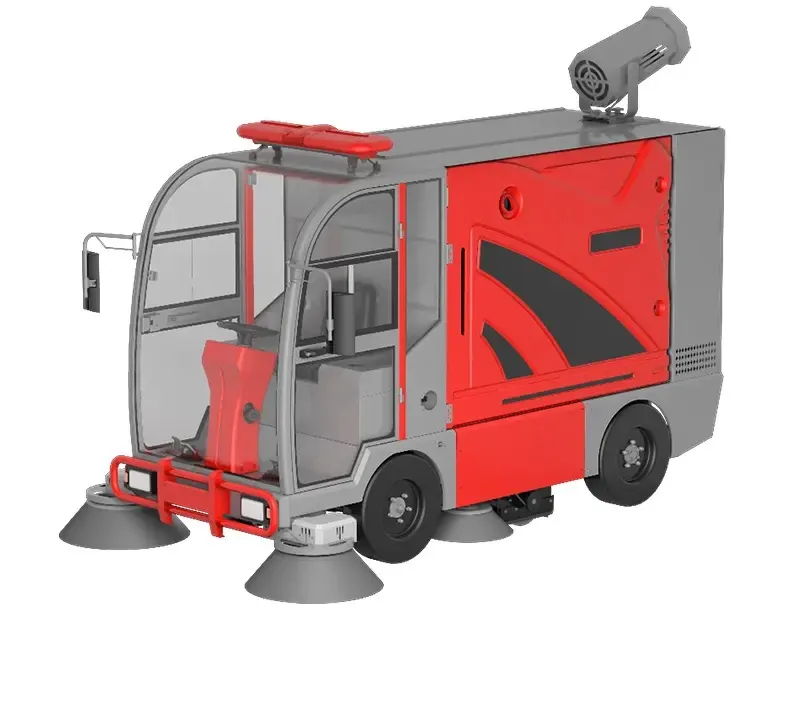
  • Commercial and estate collection — restaurants, markets and gated communities that generate more waste than a residential bin round, usually served on the same schedule as a road sweeper truck clearing the same streets.
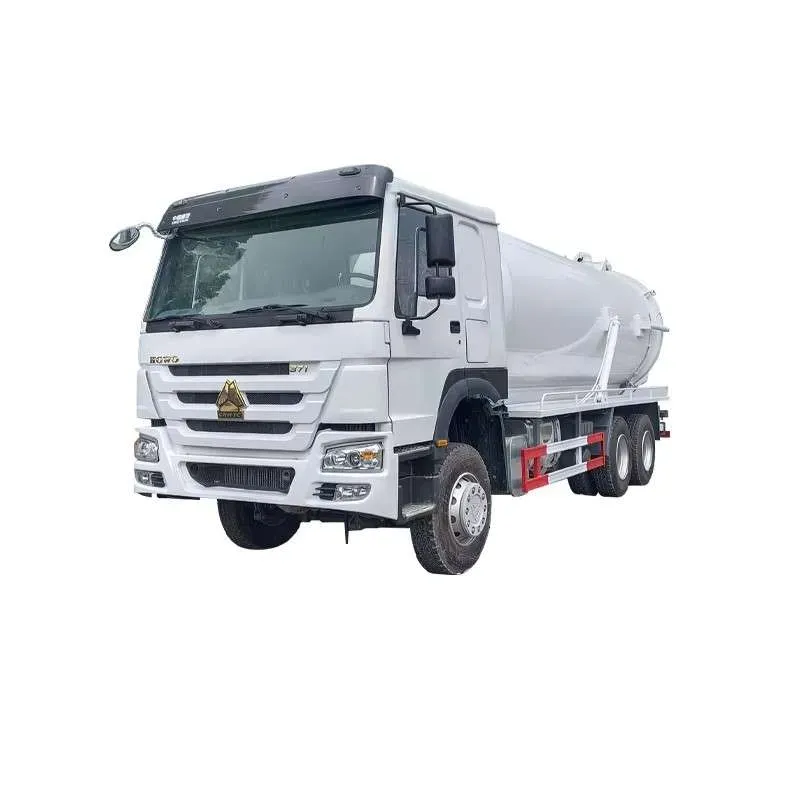
  • Depot and fleet operations — cities running mixed sanitation fleets typically pair a waste disposal truck with a water tank truck for dust suppression and a sewage suction truck for septic and drainage work.
  • Waste management contractors — operators bidding on municipal collection tenders who need a documented compaction ratio and body material spec to satisfy the tender's technical annex.

Frequently asked questions

What body sizes are available?

Garbage compactor trucks — also sold as trash trucks or dustbin trucks — are built from 4 m³ to 20 m³. A 4–8 m³ body on a light JMC or Dongfeng chassis suits residential lanes and small towns; 16–20 m³ bodies need a heavier 4×2 or 6×4 chassis and suit municipal contracts and transfer-station routes with longer hauls.

How does the compaction system work?

A hydraulic packer plate sweeps waste from the rear hopper into the body on every cycle, reaching a density of 0.6 to 0.8 t/m³ and a compaction ratio up to 1:2.5 against loose refuse. A full cycle takes 15 to 30 seconds, run either from the double-side control box or, on request, a PLC one-key sequence.

Do you build front-loader or side-loader trucks?

Our current range is rear loaders with a hopper flip-over mechanism, which covers standard bin and bagged-waste collection. If your contract specifically calls for a front load garbage truck or a side-loading body, tell us the mechanism you need when you enquire and we will confirm whether it can be sourced against your order.

Do you offer electric garbage trucks?

Not in our current line-up — every build ships with a diesel engine from Euro 3 through Euro 6 depending on your market. If an electric garbage truck or CNG chassis becomes a hard requirement for your tender, raise it in your enquiry so we can tell you early rather than late in the quoting process.

Which chassis brands can the compactor body be mounted on?

JMC, Dongfeng, HOWO and Shacman are all in regular production, and the choice usually comes down to which brand has a parts counter near your depot. Matching the body to a chassis your fleet already runs keeps servicing and driver training simple.

How is the truck shipped?

Trucks under 20 m³ ship by roll-on/roll-off from Qingdao or Shanghai; smaller units can be loaded in a 40-foot flat rack where RoRo service to the destination is thin. We prepare the certificate of origin, commercial invoice and packing list, and quote either FOB or CIF to your port. The same loading routine is on record for a 22-unit shipment to Douala, Cameroon and seven units to Nigeria — different bodies, identical export process.

Tell us the body size and the chassis you prefer

Send the body volume you need, the emission standard your country enforces and your destination port. We come back with a configuration sheet and an FOB or CIF price, usually within 72 hours. Comparing a rear loader against a skip-style bin lifter for your route? Describe the collection pattern and we will say which body suits it.