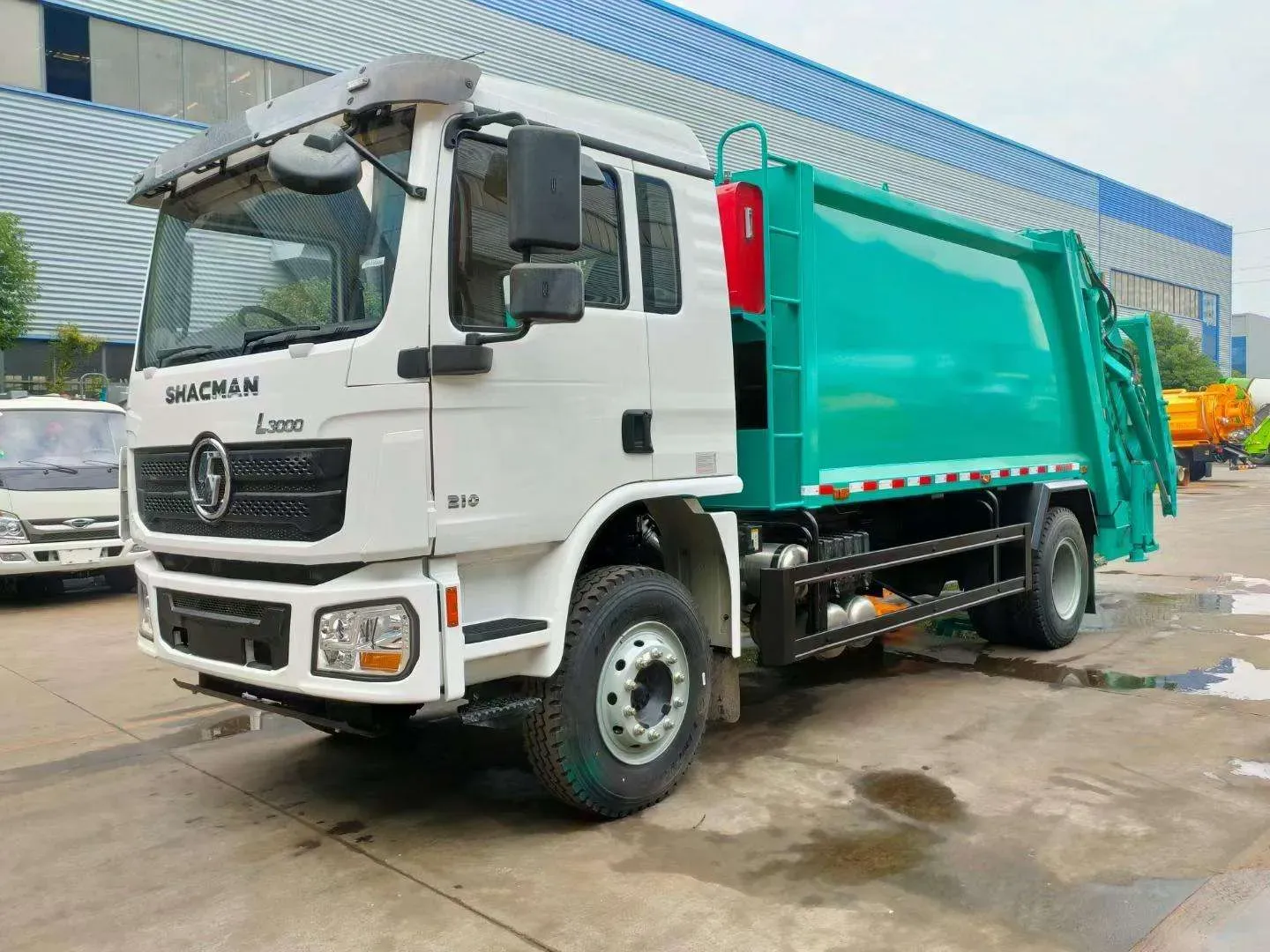
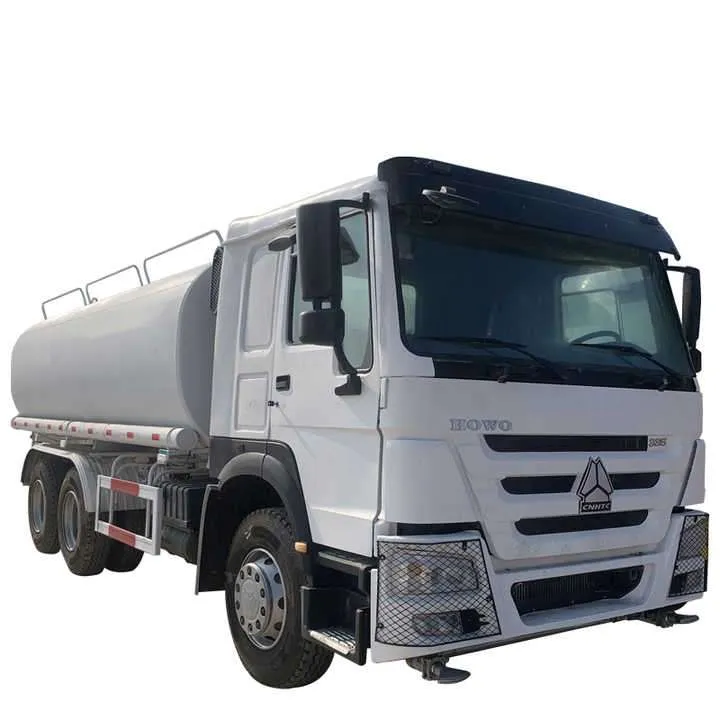
Truck mounted cranes for material handling on a cargo chassis
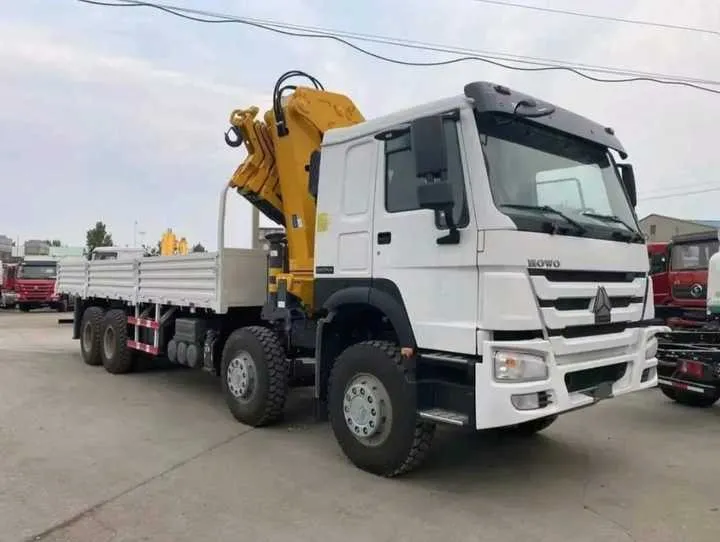
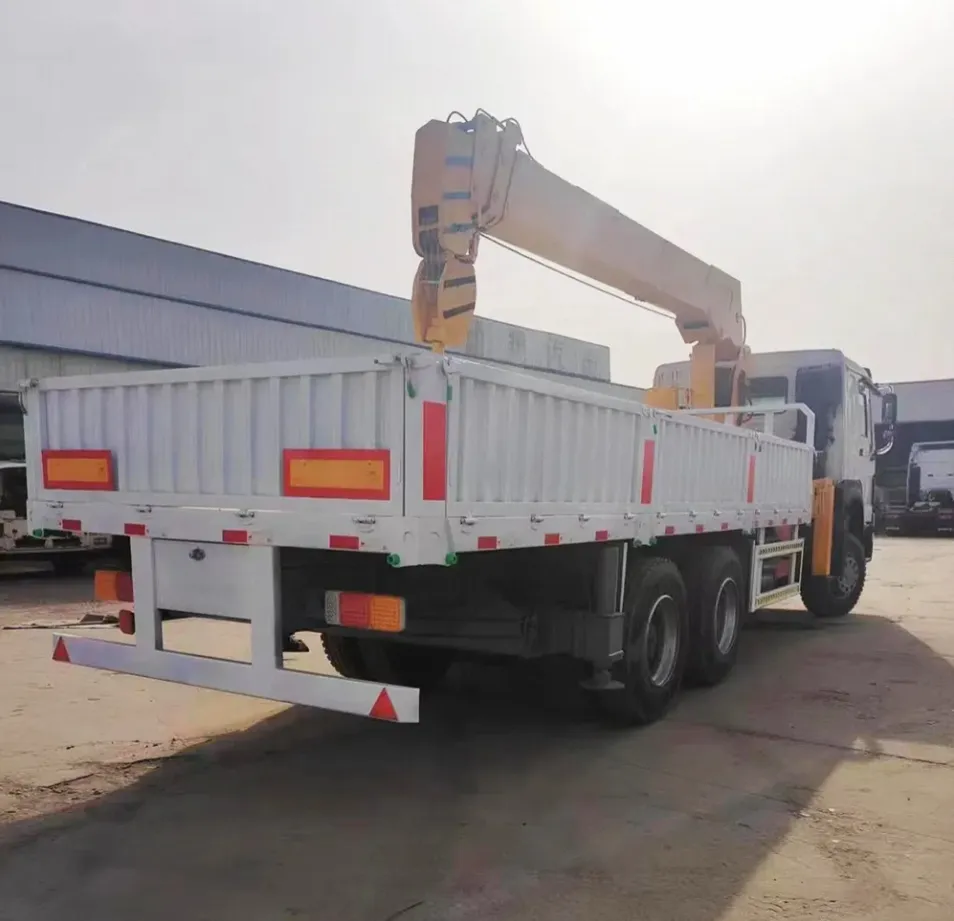
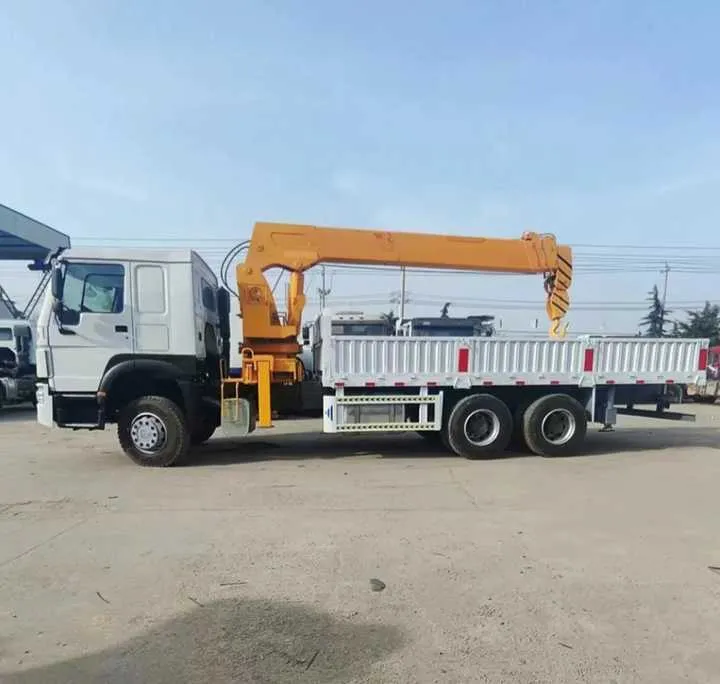
A hydraulic crane mounted behind the cab of a flatbed truck, so the same vehicle that carries the load can also lift it on and off, useful where hiring a stand-alone mobile crane for an hour of work does not make sense.
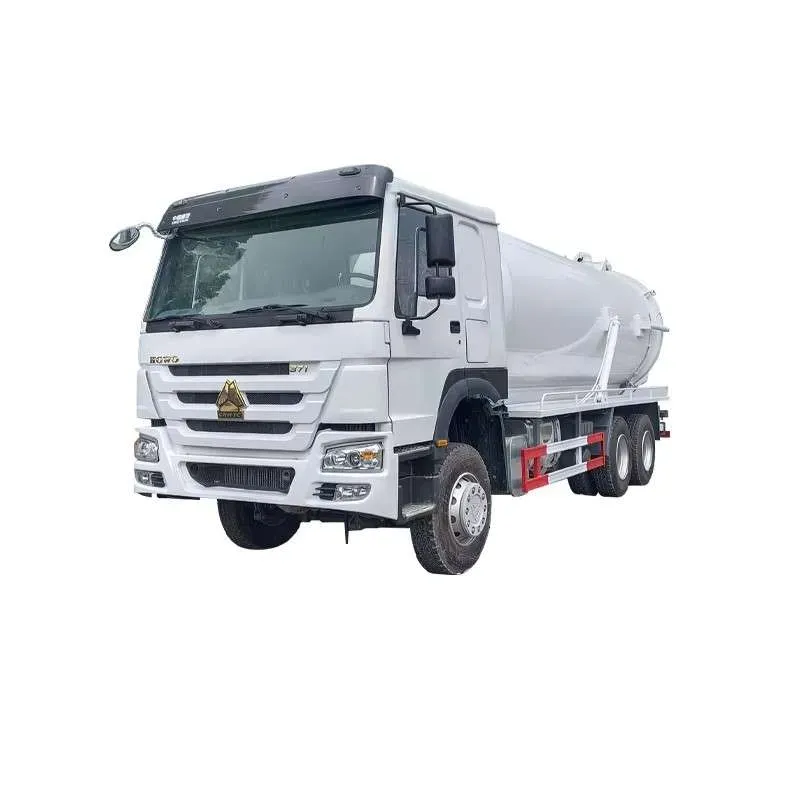
Our main production is municipal sanitation and industrial cleaning vehicles, and we build truck mounted cranes — widely searched as a boom truck, crane truck or lorry loader crane — to order alongside fleet shipments or as standalone units. Available with straight telescopic booms or folding knuckle booms from 3.2 t to 16 t, each crane truck uses the same chassis sourcing, subframe reinforcement and pre-shipment load testing as our municipal fleet.
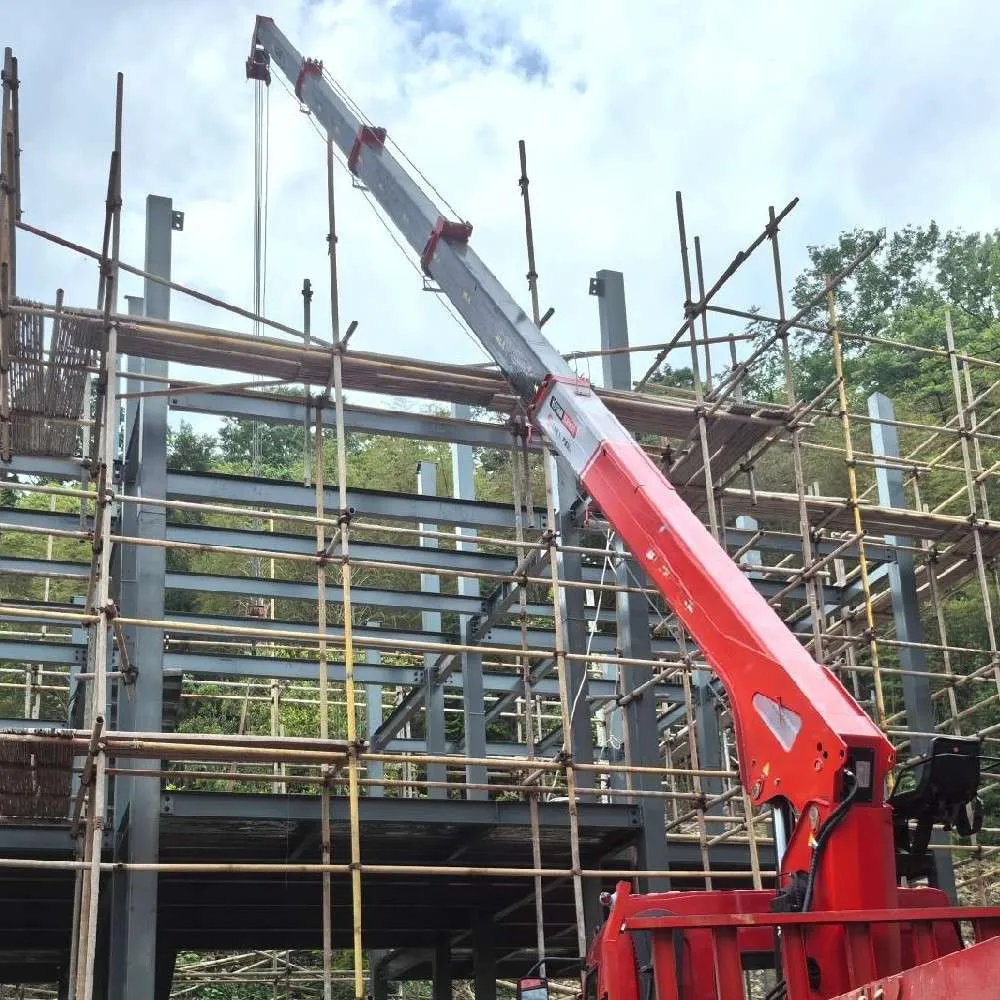
Boom type is the main choice to make first. A knuckle boom, sometimes called a folded-arm crane, stows short behind the cab and can bend up and over an obstacle before extending, which suits smaller 3.2 to 8 t jobs in yards where space behind the truck is tight. A telescopic boom extends in a straight line instead of folding, and it reaches further at a given weight, which is why most 10 t and larger builds use a telescopic arm rather than a knuckle one. Both boom types can be specified on either build; the tonnage and the working radius the job needs usually settle the choice.
Chassis sizing follows the crane, not the other way around. A 4×2 two-axle chassis carries a knuckle or telescopic crane up to roughly 8 t without overloading the rear axle. Once the crane gets to 10 to 12 t, the truck needs a 6×4 three-axle chassis to spread that weight, and a 16 t crane needs a 8×4 four-axle chassis. Getting this pairing wrong is the most common reason a completed truck fails a roadworthiness or axle-load inspection after it lands.
We fit the crane to a chassis brand you name, drawn from the same supplier range we already run for our cleaning vehicles, and the truck ships as an export unit with left- or right-hand drive and the emission standard your market requires set before it leaves the yard.
Before crating, the boom is run through full extension and retraction and the outriggers are cycled under load, not just checked with the boom stowed, so a fault shows up on our line instead of on your first job.